


-

Add: HeBei ShengShi HongBang Cellulose Technology CO.,LTD.
-

Email
13180486930@163.com -

CONTACT US
+86 13180486930




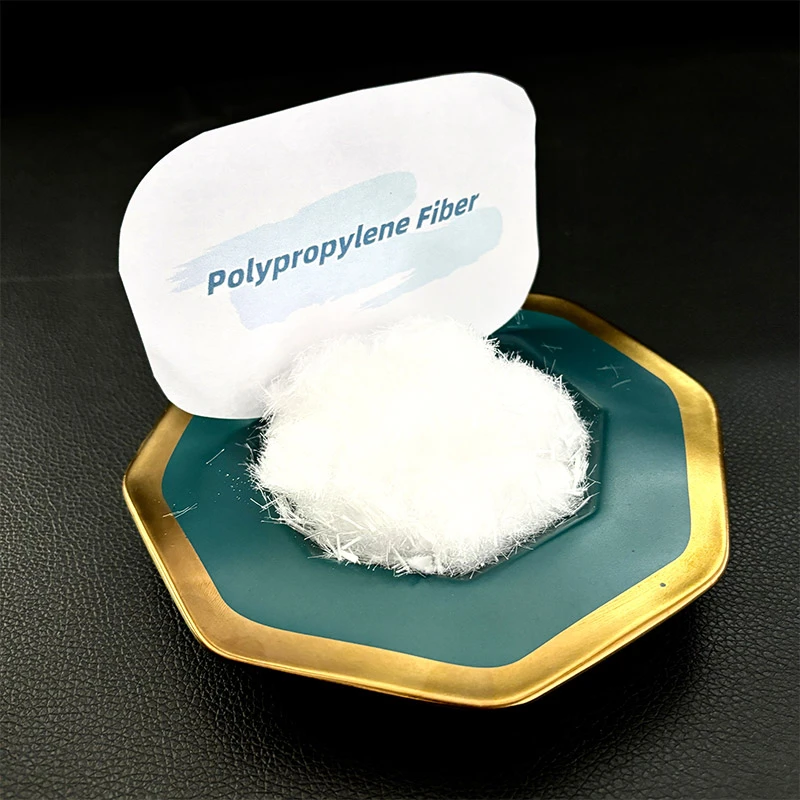
Polypropylene fiber is an innovative material that significantly enhances the performance characteristics of concrete and mortar, making it an essential component in modern construction applications. As a premier supplier, HeBei ShengShi HongBang delivers premium-grade polypropylene fibers that meet rigorous international standards for strength, durability, and performance optimization. Technical Specifications of Premium Polypropylene Fibers Parameter Standard Value Test Method Performance Benefit Fiber Length 3-20 mm ASTM D2130 Crack control optimization Diameter 18-45 microns ISO 1888 Optimal reinforcement distribution Tensile Strength 400-750 MPa ASTM D2101 Structural reinforcement Elastic Modulus 3.5-10 GPa ISO 527 Flexural strength enhancement Melting Point 160-170°C ASTM D7138 Heat resistance Density 0.91 g/cm³ ISO 1183 Ease of mixing Alkali Resistance >95% ASTM C1116 Concrete matrix longevity Dosage Rate 0.6-1.8 kg/m³ ACI 544 Plastic shrinkage reduction Industry Applications & Technical Advantages Concrete Reinforcement Our pp fiber products reduce crack formation by up to 85% while improving impact resistance by 150% (ACI Materials Journal). Mortar Enhancement Microfiber synthetic additives decrease permeability and improve freeze-thaw durability in mortar applications. Pavement Construction Integrating polypropylene fibre extends road lifespan by minimizing reflective cracking (Journal of Materials in Civil Engineering). Industrial Flooring Our fibers increase abrasion resistance and eliminate joint spacing limitations in warehouse slabs. Performance Analysis of Polypropylene Fibers Comparative strength development in fiber-reinforced concrete Surface durability under abrasion testing cycles (ASTM C944) Global market growth projections for synthetic fibers (2024-2030) Technical FAQ: Polypropylene Fiber Applications What fiber length provides optimal crack control? For most concrete applications, 12mm fibers demonstrate optimal performance with uniform dispersion and maximum crack-bridging capability according to RILEM technical recommendations. For spray applications, 6mm microfibers are preferred. How does aspect ratio affect reinforcement? Aspect ratio (length/diameter) directly influences bonding strength. We manufacture fibers with 200-500 ratios ideal for different mix designs. Higher ratios increase tensile strength but require careful mixing procedures. What polymer grade is suitable for aggressive environments? Our chemically-modified homopolymer fibers with pH stability from 1-13 withstand harsh chemical exposure exceeding 20 years according to ASTM C666 freeze-thaw certification. How does dosage affect compressive strength? Optimal dosages between 0.9-1.2kg/m³ increase compressive strength 15-20% as documented in ACI 544.3R reports. Higher dosages improve toughness but may slightly decrease workability. What surface treatments enhance bonding? Our proprietary hydrophilic coating improves fiber-matrix bond strength by 30% compared to untreated fibers (CTLGroup testing). This treatment also reduces mixing time. How do synthetic fibers compare to steel reinforcement? While steel provides primary reinforcement, polypropylene fiber offers secondary reinforcement with superior crack control, corrosion resistance, and freeze-thaw protection at 1/10 the material cost. What certifications does your production meet? Our manufacturing facility is ISO 9001:2015 certified with individual products meeting ASTM C1116, EN 14889-2, and JIS A6204 standards for consistent quality assurance. Industry Recognition & Technical Validation "Recent studies confirm that properly engineered polypropylene fibers can extend concrete service life by 40-60% by effectively controlling microcrack formation during critical curing stages." - International Journal of Concrete Structures and Materials Additional Technical References: "Performance Evaluation of Synthetic Fiber Reinforced Concrete" - American Concrete Institute ( www.concrete.org ) "Global Fiber Market Analysis 2023" - Fiber Cement Composite Research Council ( fibercomposites.org ) "Durability Enhancements through Microfibers" - Journal of Building Materials Science ( jbms.build ) "Comparative Analysis of Fiber Reinforcements" - Materials and Structures Journal ( matsstruct.springer.com ) "Advanced Production Techniques for PP Fibers" - International Fiber Association ( globalfibers.org ) Request Your Technical Sample Package Experience the ShengShi HongBang difference in our premium polypropylene fiber products engineered for superior performance. Contact Our Engineering Team Call: +86 13180486930 Email: 13180486930@163.com
- 40000tons

Production
- 20+years

Experience
- 5000+㎡

Acreage

-
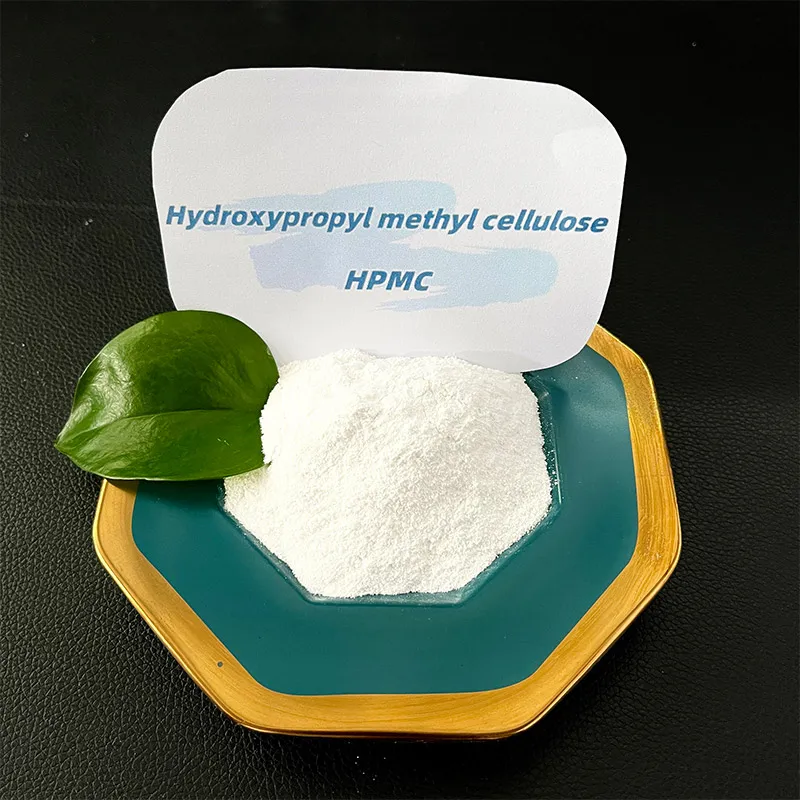
Hydroxypropyl Methylcellulose (HPMC) E6 stands out as an unparalleled option in the field of industrial and consumer applications, providing an impressive combination of durability, versatility, and cost-effectiveness. This article delves into its multifaceted uses, backed by real-world experiences and scientific expertise from industry veterans, reinforcing its indispensable role in various sectors. In the construction industry, HPMC E6 proves to be a crucial component in achieving superior quality results. Its ability to enhance water retention and improve workability in cement and gypsum-based formulations makes it a trusted additive for tile adhesives, plasters, and mortars. Contractors frequently share testimonials about projects that benefited from the reduced cracks and improved bonding strength provided by HPMC E6, leading to lasting structural integrity. These firsthand experiences align with studies indicating significant advancements in tensile strength and flexibility for HPMC E6-modified materials, underscoring its reliability in demanding construction environments. When shifted to the pharmaceutical industry , the impact of HPMC E6 becomes even more profound. As a highly regarded excipient, it serves various functions, notably in controlled-release formulations. Its consistency in quality and performance has earned the trust of pharmacists and formulary scientists worldwide. Experienced formulators frequently note the ease with which HPMC E6 can be hydrated and its stability across a range of pH levels, optimizing drug delivery systems. Peer-reviewed research corroborates these experiences, confirming its efficacy in maintaining drug stability and releasing active ingredients with precision. In the realm of personal care products, HPMC E6 showcases its excellence in texture enhancement and stabilization, making it a favorite among cosmetic chemists. Its ability to thicken and emulsify without compromising the sensory properties of beauty products is unparalleled. Users have expressed satisfaction with the smooth application and consistent performance of creams and lotions incorporating HPMC E6, attributing improved aesthetics and moisture retention to this remarkable additive. hpmc e6 Environmental considerations also highlight the strengths of HPMC E6, as it aligns with sustainable practices. Its biodegradable nature does not compromise performance, ensuring that industries utilizing HPMC E6 are also contributing to ecological preservation. Environmental engineers and sustainability experts advocate for its wider adoption, noting its effectiveness in aligning with green objectives without sacrificing the high standards required in various applications. The financial aspect cannot be overstated; businesses leveraging HPMC E6 for their production processes often observe significant cost savings. Its ability to replace multiple individual additives reduces complexity in formulations and curtails procurement expenses. Real-world cost analysis reports demonstrate a marked reduction in total expenditure, bolstering the argument for HPMC E6 as a cost-efficient ingredient in competitive markets. As industries evolve, the authority of HPMC E6 remains unchallenged, consistently proving its mettle through expert endorsements and ethical manufacturing standards. Its adaptability, proved through countless applications, continues to build trust among users and manufacturers alike, who view it as an essential component ensuring progress and innovation while maintaining quality and sustainability. In conclusion, HPMC E6 emerges as a cornerstone in various industries, accredited by the confluence of expert knowledge, user trust, and authoritativeness. As the world strides towards more complex and demanding applications, HPMC E6 is poised to lead the charge, setting benchmarks for efficacy and reliability while championing environmental responsibility.
-

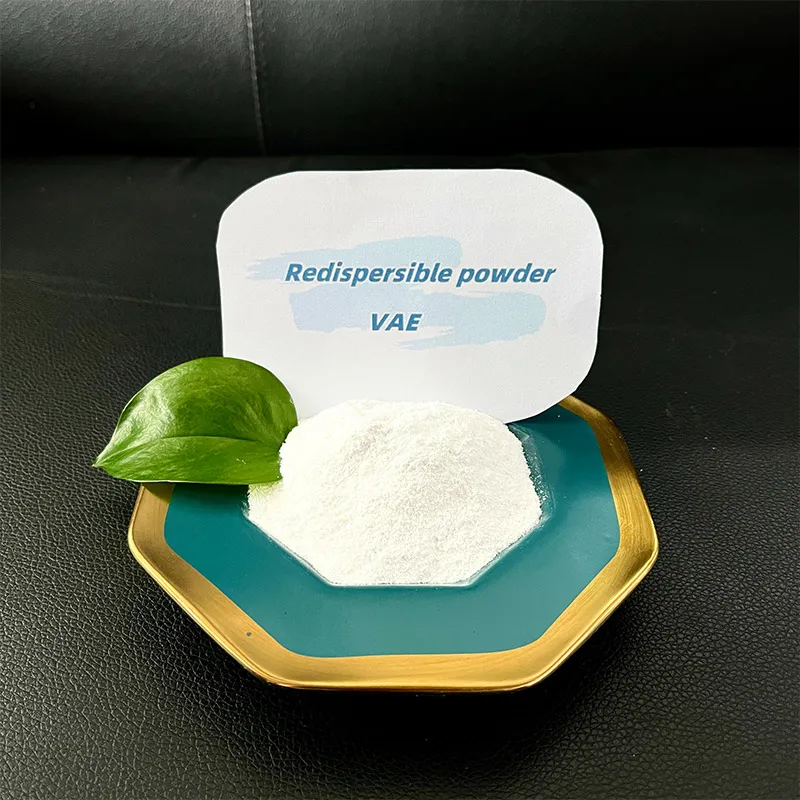
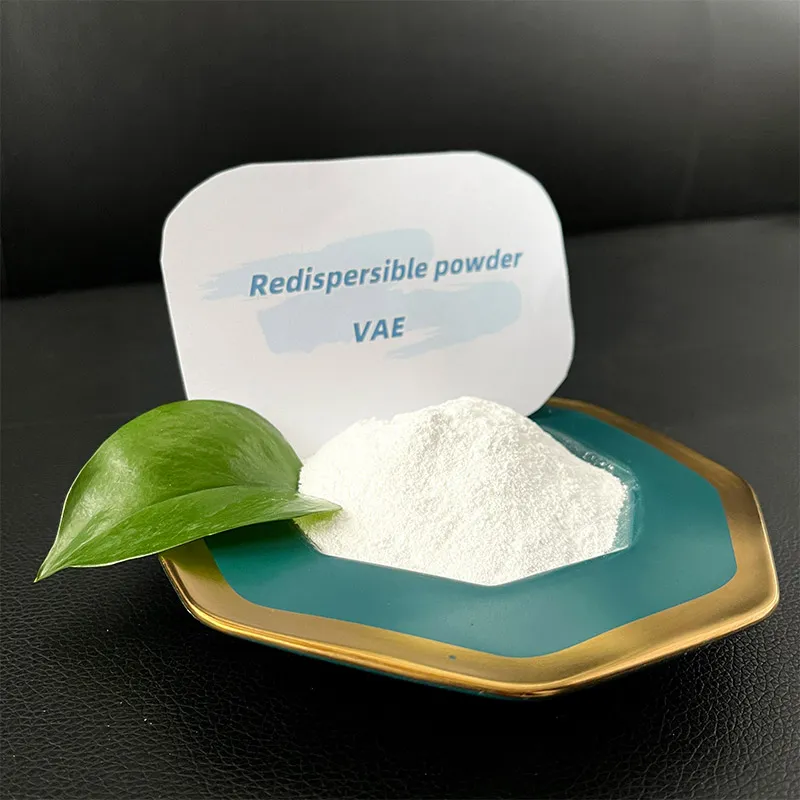
Redispersible emulsion powder is a vital ingredient in modern construction materials, offering numerous benefits in terms of performance and durability. This polymer powder is used in various building products such as cement, plaster, tile adhesives, and dry mix mortar. When added to these materials, redispersible emulsion powder improves flexibility, adhesion, and water retention, resulting in stronger and more durable constructions. The primary function of redispersible emulsion powder is to enhance the properties of dry mix products. It enables the mixture to be re-dispersed in water, which activates the polymer, improving its performance when applied in real-world conditions. For example, when used in plaster, it enhances adhesion to surfaces, making it more resistant to cracking. Similarly, when used in tile adhesives, it ensures better bonding and reduces the likelihood of tiles coming loose over time. In addition to providing superior technical benefits, redispersible emulsion powder is also cost-effective. It allows manufacturers to create high-performance building materials without increasing the overall cost. For construction professionals, this translates into high-quality results at a lower cost, which is essential for both large-scale projects and smaller, budget-conscious renovations. Ethylene Vinyl Acetate Powder: A Versatile Polymer in Construction Another essential polymer used in the construction industry is ethylene vinyl acetate powder (EVA powder) . This versatile material is widely used as an additive in construction products to improve their strength, durability, and flexibility. EVA powder is a copolymer made by combining ethylene and vinyl acetate, offering unique properties such as increased impact resistance, higher tensile strength, and improved flexibility. In the context of construction, ethylene vinyl acetate powder is used to enhance the properties of coatings, adhesives, and flooring materials. For example, when added to tile adhesives, it ensures that the adhesive remains flexible over time, preventing cracks and improving its ability to withstand temperature fluctuations. Similarly, in the production of flooring materials, EVA powder provides additional cushioning, making the floors more comfortable and durable. What makes ethylene vinyl acetate powder particularly valuable in construction is its ability to improve the workability of materials. It reduces the viscosity of adhesives and coatings, making them easier to apply and spread. The result is smoother, more efficient application processes, which save both time and labor costs. Additionally, EVA powder is known for its resistance to UV rays and chemicals, ensuring that construction materials remain strong and reliable over time, even when exposed to harsh environmental conditions. Polymers for Detergent Powder: Enhancing Performance and Efficiency While redispersible emulsion powder and ethylene vinyl acetate powder are widely known in the construction industry, their cousin – polymer for detergent powder – plays a crucial role in the detergent industry. Polymers in detergent powders are essential for improving their efficiency and performance, especially in terms of cleaning power and fabric protection. Polymers for detergent powder enhance the dispersibility of the powder in water, ensuring that the detergent can spread evenly across fabrics and dissolve effectively. They also help reduce the formation of residues, ensuring that detergents work at their best without leaving behind unwanted residues on clothing. Additionally, these polymers can be engineered to help control the release of detergents, enhancing their ability to clean in a variety of washing conditions. Another important benefit of polymer for detergent powder is its ability to help soften fabrics. Polymers like polyacrylates or polycarboxylates, which are commonly used in detergents, create a protective layer around fibers, reducing friction and wear and tear. This feature is particularly beneficial in laundry applications, as it not only improves the longevity of fabrics but also enhances their feel and appearance. Redispersible Polymer Powder Manufacturers: Key Players in Innovation When it comes to sourcing redispersible polymer powder , finding a reliable and experienced manufacturer is key to ensuring high-quality products. Redispersible polymer powder manufacturers play a crucial role in the supply chain, providing construction companies with the materials necessary to produce superior building products. These manufacturers invest in research and development to continuously improve the performance and properties of their products. By working with redispersible polymer powder manufacturers , businesses can access the latest innovations in polymer technology, ensuring that they are using the best materials available for their projects. Additionally, many manufacturers provide tailored solutions, customizing the polymer blends to suit specific applications or environmental conditions. The growing demand for high-performance building materials means that redispersible polymer powder manufacturers are also expanding their production capabilities to meet the needs of the global market. Whether it's in large-scale commercial projects or residential construction, the role of these manufacturers in supporting the industry cannot be overstated. How Redispersible Polymers and Additives Shape Construction and Detergent Products The impact of redispersible polymer powders and additives like ethylene vinyl acetate powder is not limited to just construction materials. These high-performance polymers are also making their mark in industries like detergents, where they enhance cleaning power and fabric care. Whether used in dry mix mortar or laundry detergents, these innovative ingredients play a critical role in improving product functionality and longevity. By incorporating these polymers into their products, manufacturers can improve the overall quality of the materials they produce, leading to better performance, durability, and customer satisfaction. The versatility of these additives allows them to be used across different industries, providing reliable solutions to everyday problems. Redispersible E mulsion P owder FAQs What is redispersible emulsion powder and how is it used in construction? Redispersible emulsion powder is a polymer that is used to enhance the properties of dry mix materials like cement, plaster, and tile adhesives. It improves flexibility, adhesion, and water retention, resulting in stronger and more durable constructions. How does ethylene vinyl acetate powder improve construction materials? Ethylene vinyl acetate powder (EVA powder) improves construction materials by enhancing their strength, flexibility, and resistance to environmental factors like UV rays and temperature fluctuations. It is often used in coatings, adhesives, and flooring materials. What are the benefits of using polymers in detergent powders? Polymers for detergent powder improve the dispersibility of the detergent in water, reduce residue formation, and help soften fabrics. They also enhance cleaning performance by controlling the release of detergents during the washing process. Why is it important to choose a reliable redispersible polymer powder manufacturer? Choosing a reliable redispersible polymer powder manufacturer ensures that you receive high-quality products that meet industry standards. These manufacturers also provide customized solutions to suit specific applications and environmental conditions. Can redispersible polymer powders be used in both residential and commercial construction? Yes, redispersible polymer powders are used in both residential and commercial construction projects. Their versatility makes them suitable for a wide range of applications, from cementitious coatings to tile adhesives and more. These advanced polymer technologies are essential to the modern construction and detergent industries. By investing in products like redispersible emulsion powder and ethylene vinyl acetate powder , you can ensure your construction and cleaning projects perform at their best. Explore our range of high-quality polymers and additives today on our website, and discover how they can improve the performance and durability of your products!
advantages
-

200000 Viscosities
Excellent product
We can produce pure products up to 200,000 viscosities
-

40000 tons
High yield
We don’t stop production all year round, and the annual output can reach 40,000 tons
-

24 hours
Quality service
We provide 24-hours online reception service, welcome to consult at any time
———— Inquiry Form
Schedule A services
-
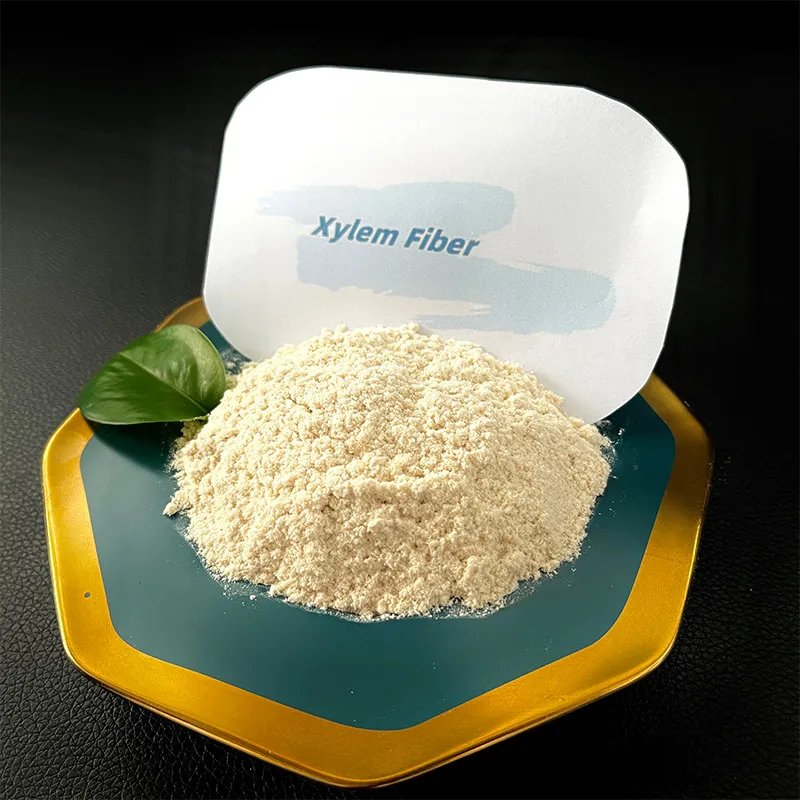 bubuk_hidroksipropil_metilselulosa
Oct . 25, 2025
Hydroxypropyl Methylcellulose (HPMC) is a critical additive in the putty powder industry, playing a -
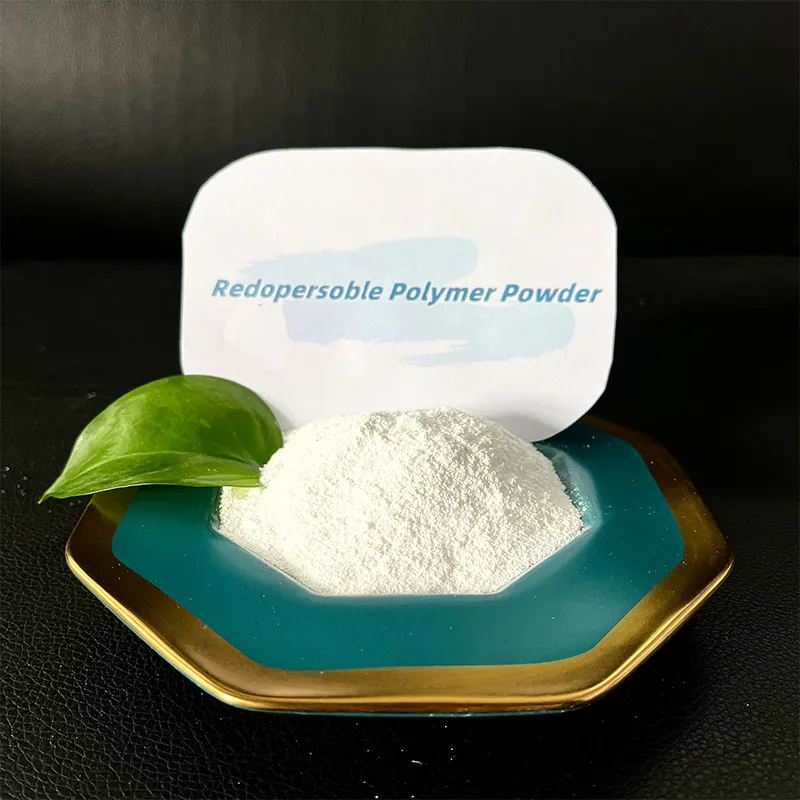 cellulose_wood_pulp
Oct . 25, 2025
HeBei ShengShi HongBang Cellulose Technology CO.,LTD. Tel: +86 13180486930 Email: 13180486930@163.co -
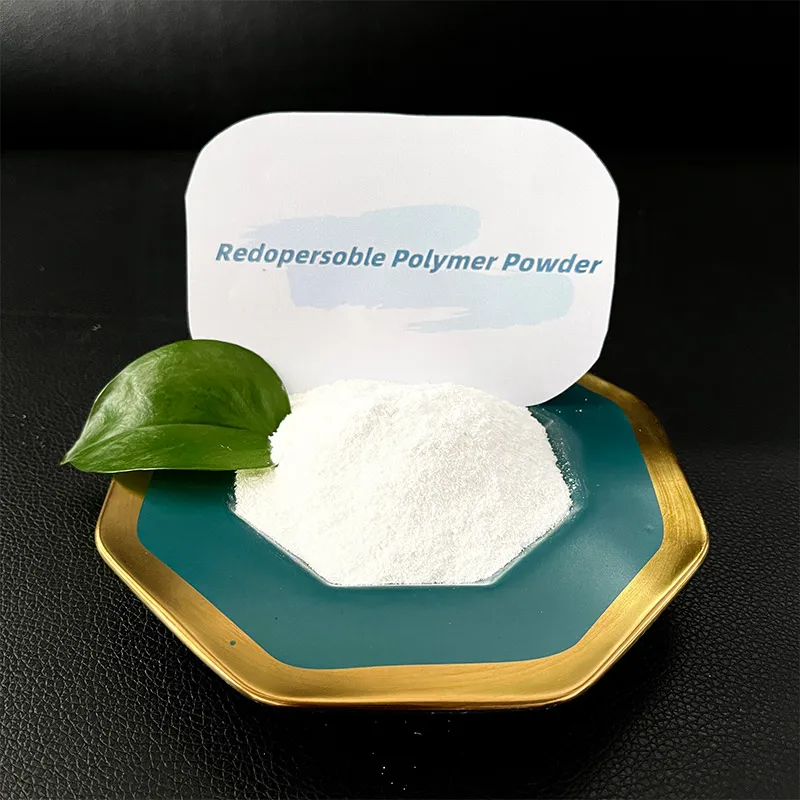 five_synthetic_fibre
Oct . 25, 2025
Hydroxypropyl methylcellulose (HPMC) is gaining attention in the haircare industry for its multiface


